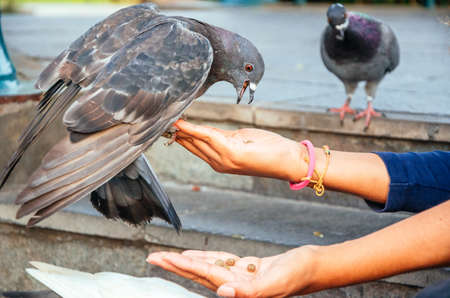

Understanding Bird Behavior
When it comes to handling birds, especially in the U.S., recognizing and respecting their unique behaviors is key. Birds are highly perceptive creatures, relying on subtle body language and social cues to communicate how they feel. By learning to observe these signs—like fluffed feathers, eye pinning, vocalizations, or posture—you can tell if a bird is comfortable, curious, or stressed. American bird owners often emphasize the importance of patience; rushing interactions can break trust and lead to negative experiences for both you and your feathered friend. Take time to watch your bird’s habits and preferences, whether it’s a parakeet bobbing its head or a cockatiel fanning its crest. This mindful observation lays the groundwork for stress-free handling and helps nurture a positive bond based on mutual respect.
2. Preparing the Environment
Creating a calm and secure environment is fundamental when handling birds, as it directly influences their comfort level and trust in you. Birds are highly sensitive to changes in their surroundings, so even small environmental adjustments can make a significant difference in their well-being.
Minimize Noise
Loud or sudden noises can startle birds and increase their stress levels. Before handling your bird, turn off loud televisions, silence cell phones, and ask family members to keep conversations at a gentle volume. For those living in busy households, consider designating a specific quiet room for bird interactions.
Gentle Lighting
The right lighting sets the tone for a peaceful experience. Avoid harsh overhead lights or direct sunlight, as these can be uncomfortable for birds. Soft, diffused lighting—such as natural light filtered through curtains or warm-toned lamps—helps create a soothing atmosphere that encourages relaxation.
Lighting Comparison Table
| Lighting Type | Effect on Bird | Recommended? |
|---|---|---|
| Harsh Overhead Light | May cause anxiety or squinting | No |
| Direct Sunlight | Can overheat or stress the bird | No |
| Soft Diffused Light | Promotes calmness and comfort | Yes |
| Warm-Toned Lamp | Mimics natural sunrise/sunset cues | Yes |
Remove Sudden Distractions
Birds are acutely aware of movement and change. Remove any sudden distractions such as swinging curtains, moving pets, or children running by. Set up the space so your bird feels secure—close doors gently, keep other animals out of the area, and ensure there are no unexpected movements during handling time.
Quick Tips for a Stress-Free Setting:
- Play soft background music if your bird is used to it.
- Avoid using strong scents (like air fresheners) near birds.
- Keep all handling supplies within reach to minimize interruptions.
- If possible, handle your bird at the same time each day to build routine and trust.
By thoughtfully preparing the environment with these best practices, you lay the foundation for positive interactions that foster both comfort and trust between you and your bird.
3. Approaching with Care
When it comes to handling birds, your approach makes all the difference in building trust and ensuring their comfort. Always approach birds slowly and deliberately, avoiding sudden movements that could startle them. Birds are highly perceptive to body language and energy, so moving at a gentle pace shows respect for their space and helps reduce their anxiety.
It’s also essential to maintain a respectful distance at first, allowing the bird to observe you and feel safe before you attempt any interaction. Watch for subtle cues—like relaxed feathers or soft chirps—that indicate the bird is comfortable with your presence. If the bird seems uneasy, take a step back and give it more time.
Using calm, reassuring verbal cues can further soothe anxious birds. Softly speaking phrases like “It’s okay” or simply humming can create a sense of familiarity and safety. In American aviculture circles, handlers often use these gentle sounds as part of their routine, helping birds associate human voices with positive experiences.
This mindful approach not only minimizes stress but also lays the groundwork for cooperation and mutual trust. Over time, your patient, respectful manner will help birds feel more at ease during handling sessions, making every interaction smoother for both you and your feathered companions.
4. Safe and Gentle Handling Techniques
When it comes to handling birds, safety and gentleness go hand in hand. Proper technique not only prevents injury but also builds trust between you and your feathered companion. Whether you’re an experienced bird owner or a first-time handler, understanding supportive holds and correct hand placement is essential for both your confidence and the bird’s well-being.
Proper Hand Placement: The Foundation of Safe Handling
Birds are delicate creatures with fragile bones and sensitive respiratory systems. Always approach them calmly and avoid sudden movements. Support the bird’s body by gently cupping your hands around their back and under their chest. Never squeeze or put pressure on the chest, as this can restrict breathing. For smaller birds, use one hand to support the feet while using your fingers to stabilize the back. Larger birds may require two hands: one supporting the body, the other guiding wings or feet as needed.
Supportive Holds: Keeping Everyone Safe
| Bird Size | Recommended Hold | Key Considerations |
|---|---|---|
| Small (e.g., budgies, finches) | One hand gently cups body, thumb and forefinger stabilize head | Avoid squeezing; monitor stress levels closely |
| Medium (e.g., cockatiels, conures) | Both hands support body and wings, feet rest on palm/fingers | Secure but gentle grip; be mindful of wing flapping |
| Large (e.g., parrots, macaws) | Two hands—one supports body, other guides wings/feet | Use towels if needed for extra control; prioritize handler safety |
Safety Tips for Both Handler and Bird
- Wash hands before and after handling to prevent disease transmission.
- Avoid jewelry or loose clothing that could catch on claws or beaks.
- If a bird shows signs of distress—panting, struggling, or vocalizing loudly—release your grip and allow them to calm down before trying again.
- Never handle a bird against its will unless medically necessary; forced handling erodes trust.
- Always supervise children when they interact with birds to ensure gentle handling.
The right handling techniques keep everyone safe and comfortable. By prioritizing proper holds and being attentive to your bird’s responses, you create positive experiences that foster trust and deepen your bond.
5. Building Long-Term Trust
Developing a lasting and trusting relationship with your bird goes far beyond the basics of handling—it’s about building a foundation that endures through consistent, positive interactions. In American homes, where pets are often considered family members, fostering trust is both an emotional investment and a daily practice.
Consistency Is Key
Birds thrive on routine and familiarity. Try to handle your bird at the same times each day so they know what to expect. This predictability reduces anxiety and builds a sense of security, helping your bird associate you with comfort rather than uncertainty.
Positive Reinforcement
Always use gentle encouragement and reward good behavior with treats or verbal praise. Avoid punishment or sudden movements, which can erode trust quickly. Over time, positive reinforcement teaches your bird that interacting with you leads to enjoyable experiences.
Patience Pays Off
Every bird has its own pace when it comes to bonding. Some may warm up in days, while others take weeks or months. Be patient—never rush physical contact or force interaction. Instead, let your bird approach you on their terms and always respect their boundaries.
Making Trust Last
The ultimate goal is mutual trust—a partnership where your bird feels safe and you feel confident in handling them. Celebrate small milestones, keep interactions low-stress, and remember that trust is built over time through consistency, positivity, and patience.
6. Responding to Signs of Stress or Discomfort
Even with the best intentions, birds can sometimes become stressed during handling. Recognizing early signs of stress is key to ensuring their comfort and maintaining trust. Common indicators include rapid breathing, fluffed feathers, wide eyes, aggressive vocalizations, or attempts to escape your grip. If you notice any of these behaviors, it’s important to pause and reassess your approach immediately.
Know When to Pause
If your bird begins to show discomfort, don’t push through. Instead, gently return them to their cage or a safe space where they feel secure. This break not only helps the bird calm down but also shows them that you respect their boundaries—a crucial step in building long-term trust.
Adjust Your Handling Technique
Sometimes, minor adjustments make all the difference. You may need to support their body differently, reduce noise and movement around you, or simply use a softer voice. Observing how your bird reacts to different techniques allows you to fine-tune your approach for future interactions.
Give the Bird Space
Just like people, birds need personal space—especially when overwhelmed. Allow your feathered friend time alone after a stressful event. Avoid forcing interaction; let them come back to you on their terms. This respectful distance reassures your bird that they’re safe and helps rebuild confidence for future handling sessions.
Being attentive to signs of stress and responding thoughtfully protects your bird’s well-being and strengthens the bond you share. By prioritizing their comfort and emotional needs, you create an environment where trust can truly flourish.