
Why Aquarium Lighting Matters
When setting up an aquarium, lighting might seem like just another accessory, but it’s actually a critical factor in maintaining a healthy and vibrant tank. Proper aquarium lighting is essential for both fish and plant life. For fish, the right light schedule helps regulate their natural behaviors, such as feeding, swimming patterns, and even breeding cycles. Inadequate or excessive lighting can stress your fish, making them more susceptible to disease. On the other hand, if you have live plants in your tank, light is their primary source of energy for photosynthesis. Without enough light, plants can wither or fail to grow altogether, leading to poor water quality and an unbalanced ecosystem. By choosing the right lighting setup, you create an environment where fish display their best colors and plants thrive, making your tank not only healthier but also more beautiful to look at every day.
Types of Aquarium Lights
When choosing the right lighting for your aquarium, its important to understand the standard options available in the U.S. market. The three most common types are LED, fluorescent, and incandescent lights. Each has its own strengths and is suitable for different setups and needs.
LED Lights
LED (Light Emitting Diode) lights have quickly become the top choice for American aquarium owners. Theyre energy-efficient, long-lasting, and offer a full spectrum of light options. Many models allow you to adjust brightness and color temperature, making them ideal for both freshwater and saltwater tanks. LEDs also produce less heat, reducing the risk of overheating your tank and saving on energy bills.
Fluorescent Lights
Fluorescent lights have been a staple in fishkeeping for decades. These tubes or compact bulbs provide good light coverage and are especially favored for planted aquariums because they emit wavelengths that encourage plant growth. Standard T8 and high-output T5 bulbs are popular choices. While not as energy-efficient as LEDs, they remain cost-effective and easy to find at most pet stores across the U.S.
Incandescent Lights
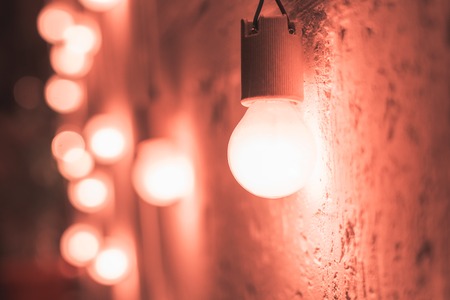
Incandescent bulbs were once the norm but are now less common due to their inefficiency and high heat output. They’re generally only found in basic starter kits or small tanks. Their warm light can enhance fish colors but isn’t suitable for live plants or larger tanks due to limited light intensity and higher operating costs.
Comparison Table: Key Features of Aquarium Light Types
| Light Type | Energy Efficiency | Lifespan | Heat Output | Best For |
|---|---|---|---|---|
| LED | High | Up to 50,000 hours | Low | All tank sizes, planted & reef tanks |
| Fluorescent | Moderate | 6,000-15,000 hours | Moderate | Freshwater, planted tanks |
| Incandescent | Low | 1,000 hours | High | Small tanks, basic setups |
Selecting the Right Light: Actionable Tips
If you have a planted tank or want to save on electricity over time, go with LEDs. For budget setups or simple freshwater aquariums, fluorescents are a solid pick. Only choose incandescent if you have a very small tank without live plants. Always check compatibility with your hood or fixture before purchasing any new bulb type.

3. Selecting Lighting for Freshwater vs. Saltwater Tanks
When it comes to aquarium lighting, knowing whether your tank is freshwater or saltwater is crucial because each type has unique lighting requirements. Making the right choice helps your fish thrive and supports healthy plant or coral growth.
Freshwater Aquarium Lighting Needs
For most freshwater tanks, especially those with live plants, full-spectrum LED lights are a solid pick. These lights mimic natural sunlight and support photosynthesis, helping plants grow lush and vibrant. If you keep low-light plants like Java fern or Anubias, look for LEDs labeled as “low to medium output.” For tanks with demanding plants such as carpeting species, opt for higher intensity lights and make sure the spectrum includes both blue and red wavelengths. Remember, too much light can cause algae problems, so use a timer to keep your lighting schedule consistent—generally 8-10 hours per day works well.
Saltwater Aquarium Lighting Needs
Saltwater tanks, especially reef setups with corals, need more specialized lighting. Corals rely on strong blue-spectrum light (actinic) to support their symbiotic algae (zooxanthellae), which is essential for their health and color. Look for LED fixtures or T5 fluorescent bulbs specifically designed for marine aquariums—they usually offer customizable color channels and higher output. For soft corals and fish-only saltwater tanks, moderate lighting works fine, but for SPS (Small Polyp Stony) corals, you’ll need high-output LEDs or metal halide lights that penetrate deeper water and provide intense PAR (Photosynthetically Active Radiation). Always check the manufacturer’s recommendations for your specific coral types.
Actionable Tips for Choosing Aquarium Lighting
- Know your tank type: Clearly identify if your setup is freshwater or saltwater before shopping for lights.
- Match light intensity to inhabitants: Choose lower intensity for basic plants or fish-only tanks; increase output for dense planting or demanding corals.
- Check spectrum: Prioritize full-spectrum for plants; go heavy on the blue spectrum for marine corals.
- Use timers: Keep a consistent day/night cycle to avoid stressing aquatic life.
- Consider upgrades: As your tank evolves, be ready to swap out lights if you add new plant or coral species with different needs.
By tailoring your lighting setup to your specific tank type and its residents, you’ll create a thriving underwater ecosystem that looks stunning and stays healthy in the long run.
4. Understanding Light Intensity and Color Spectrum
If you want your aquarium to thrive, understanding light intensity and color spectrum is key. These two factors impact everything from plant growth to how vibrant your fish appear. Let’s break down what you need to know in beginner-friendly terms, so you can pick the right light for your tank.
Light Intensity: Lumens vs. PAR
Light intensity is how much light actually reaches your tank. It’s usually measured in lumens or PAR (Photosynthetically Active Radiation). Here’s a quick comparison:
| Measurement | What It Means | Best For | Example |
|---|---|---|---|
| Lumens | Overall brightness visible to the human eye | Fish-only tanks or low-light plants | A standard desk lamp is about 800 lumens |
| PAR | The light usable by plants for photosynthesis | Planted tanks, especially with demanding plants | A planted tank may need 30-50 PAR at the substrate level |
If you’re just starting out and have a basic community tank with plastic decorations or low-maintenance live plants like Anubias or Java Fern, focusing on lumens is often enough. But if you want a lush aquascape with carpeting plants, look for lights that specify their PAR output.
Color Temperature: Kelvin Ratings Explained
Color temperature, measured in Kelvins (K), affects how “warm” or “cool” your tank looks and supports specific biological needs.
| K Rating | Color Appearance | Best For | Example Scenario |
|---|---|---|---|
| 5,000K – 6,500K | Daylight/White Light (natural sunlight) | Most freshwater tanks & healthy plant growth | You want a natural look with green plants and clear water—go for 6,500K lights. |
| 8,000K – 10,000K+ | Bluish-White Light (crisp and cool) | Aquascapes, marine/saltwater tanks, highlighting blues and whites in fish/coral | You have neon tetras or reef corals—choose higher Kelvin ratings for vibrancy. |
| <5,000K | Warm/Yellow Light (sunrise/sunset effect) | Certain biotope tanks or enhancing red/yellow fish colors | You want a cozy Amazon river feel—pick lower Kelvin bulbs. |
Actionable Tip: Most beginners do well with LED lights labeled as “full spectrum” (around 6,500K) since they mimic natural daylight and support both fish health and basic plant growth. Always check your light’s packaging or product description for these numbers before buying.
5. Lighting Schedules and Timer Use
Creating a consistent lighting schedule is crucial for your aquarium’s health and appearance. In the U.S., most hobbyists aim for 8 to 12 hours of light per day, mimicking natural daylight cycles. Sticking to a routine helps reduce algae growth and keeps fish and plants on a predictable rhythm, which can lower stress and promote healthy behaviors.
Using Timers for Consistency
Manual switching is easy to forget, especially with busy American work and family schedules. That’s why plug-in timers or smart outlet timers are a game changer. Set your lights to turn on in the morning before you leave for work—say, around 7:00 AM—and off in the evening, between 7:00 PM and 9:00 PM. This hands-off approach ensures your aquarium always gets just the right amount of light.
Types of Timers
- Mechanical Timers: Affordable and reliable, these let you set specific on/off times with simple dials.
- Digital Timers: Offer more precise scheduling and even allow for multiple on/off cycles each day if needed.
- Smart Plugs: Connect to Wi-Fi so you can control your aquarium lights from your phone or voice assistant—great for tech-savvy Americans who love smart home gadgets.
Adjusting Schedules for Your Routine
If you’re home in the evenings, set the timer so the tank lights are on when you’ll enjoy viewing your fish. For example, if you work a typical 9-to-5 job, program the lights to stay on from late afternoon until bedtime. On weekends or during holidays, avoid manually extending light hours, as sudden changes can confuse your fish and disrupt plant growth.
Pro Tip: Daylight Savings Time
Don’t forget to adjust your timer settings for daylight savings changes—an easy step that keeps your tank’s ecosystem stable year-round.
By using timers and matching light cycles to your household routine, you’ll support a thriving aquarium while keeping maintenance stress-free—a true win-win for busy American lifestyles.
6. Common Lighting Mistakes and How to Avoid Them
Leaving Lights On Too Long
One of the most common mistakes aquarium owners make is leaving their tank lights on for too many hours. In the excitement of enjoying a brightly lit tank, it’s easy to forget that both fish and plants need periods of darkness, just like in nature. For example, Sarah from San Diego left her freshwater tank lights on for over 14 hours daily, thinking it would help her plants grow faster. Instead, she ended up with a massive algae bloom that was tough to control.
How to Avoid: Use a simple timer—widely available at home improvement stores or online—to automatically turn your lights on and off. Aim for 8-10 hours per day. This not only mimics natural light cycles but also keeps algae under control.
Choosing the Wrong Spectrum
Another frequent error is picking lighting with the wrong color spectrum for your tank’s needs. For instance, using “cool white” bulbs designed for household use can cause dull plant growth and stressed fish. Mike from Houston learned this the hard way when his planted tank started losing its vibrant green color.
How to Avoid: Always choose aquarium-specific lights labeled as “full spectrum” for freshwater tanks or those tailored for reef tanks if you keep corals. Read product descriptions carefully and ask staff at your local fish store for recommendations based on your setup.
Overpowering or Underpowering Your Tank
A lot of beginners think brighter is always better—but too much light can harm sensitive species, while too little can stunt plant growth. Take Jenny from Chicago: she installed an ultra-bright LED strip in her nano tank, only to see her shrimp hiding all day and her moss turning brown.
How to Avoid: Match your lighting intensity (measured in PAR or lumens) to the specific needs of your aquatic life. Check manufacturer guidelines or online forums for advice. If you’re unsure, start with moderate lighting and adjust gradually as needed.
Ignoring Regular Maintenance
Buildup of dust, mineral deposits, or algae on light fixtures reduces efficiency over time. Tom in Seattle noticed his plants weren’t thriving until he realized a layer of grime was blocking half the light.
How to Avoid: Clean your lighting fixtures every month with a damp cloth (unplugging them first!) and inspect bulbs or LEDs for signs of wear.
Take Action Today
Avoid these common pitfalls by setting up a timer, choosing the right spectrum, matching intensity to your tank’s needs, and maintaining your fixtures regularly. With these simple habits—backed by real aquarists’ experiences—you’ll create a healthier environment and enjoy a stunning aquarium year-round.